On-Page SEO Issues |
Detect & Fix with Optilinko
In the fast-paced world of digital marketing, maintaining a website that stands out is paramount. Every website owner, SEO professional, or digital marketer knows that an effective online presence hinges on visibility and ranking. However, achieving this requires more than just quality content and eye-catching design. It demands a meticulous approach to search engine optimization (SEO), particularly on-page SEO. This is where the Optilinko Website Audit Tool steps in, offering a robust solution to detect and resolve various on-page SEO issues.
Optilinko's audit tool is designed to meticulously scan your website and categorize detected issues into nine main groups. Each category is crafted to provide better visibility into the health of your website and the potential areas for improvement. By addressing these issues, you enhance your site’s ranking, visibility, and overall crawlability, ensuring that you are not left behind in the digital race.
The Importance of On-Page SEO Issues
Before we delve into the functionality of the Crawled Pages , let's clarify what it actually means. In essence, Crawled Pages refers to the collection of URLs that an SEO audit tool scans during its analysis of a website. The Crawled Pages table is a comprehensive display of all URLs examined, providing critical information about each page's performance.
Issue Categories Overview
Optilinko's website audit tool provides detailed insights into various on-page SEO issues. Each category is clickable, allowing users to dive deeper into specific problems and understand their implications for SEO. Here's a brief overview of the categories:
Description
Detailed Issue Categories & Explanations
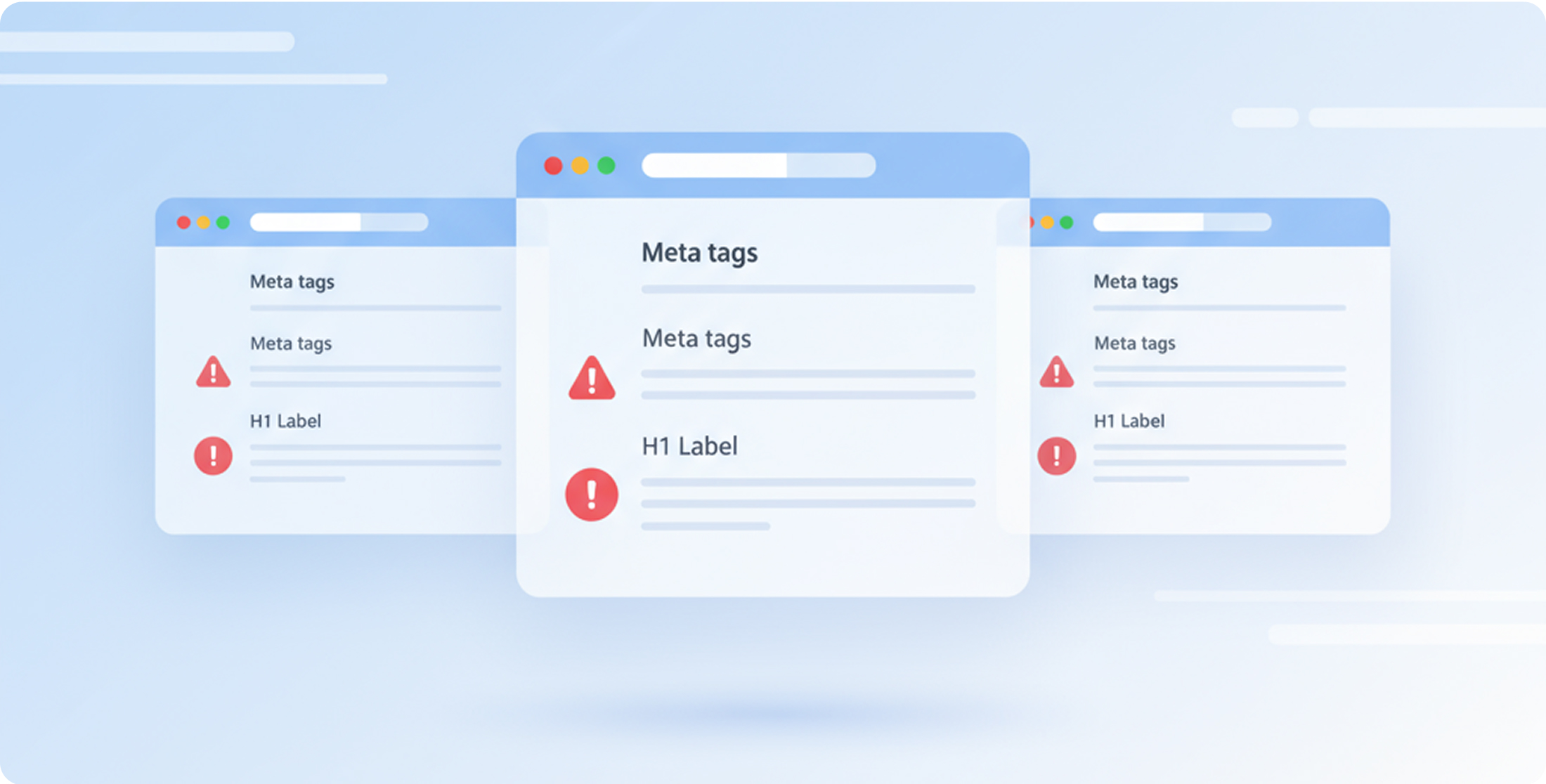
Meta Issues
Meta issues are foundational components of your site's SEO.

Has Meta Title: Ensuring all pages include a unique meta title is crucial for search engines and users. Unique titles help in differentiating your pages in search results.
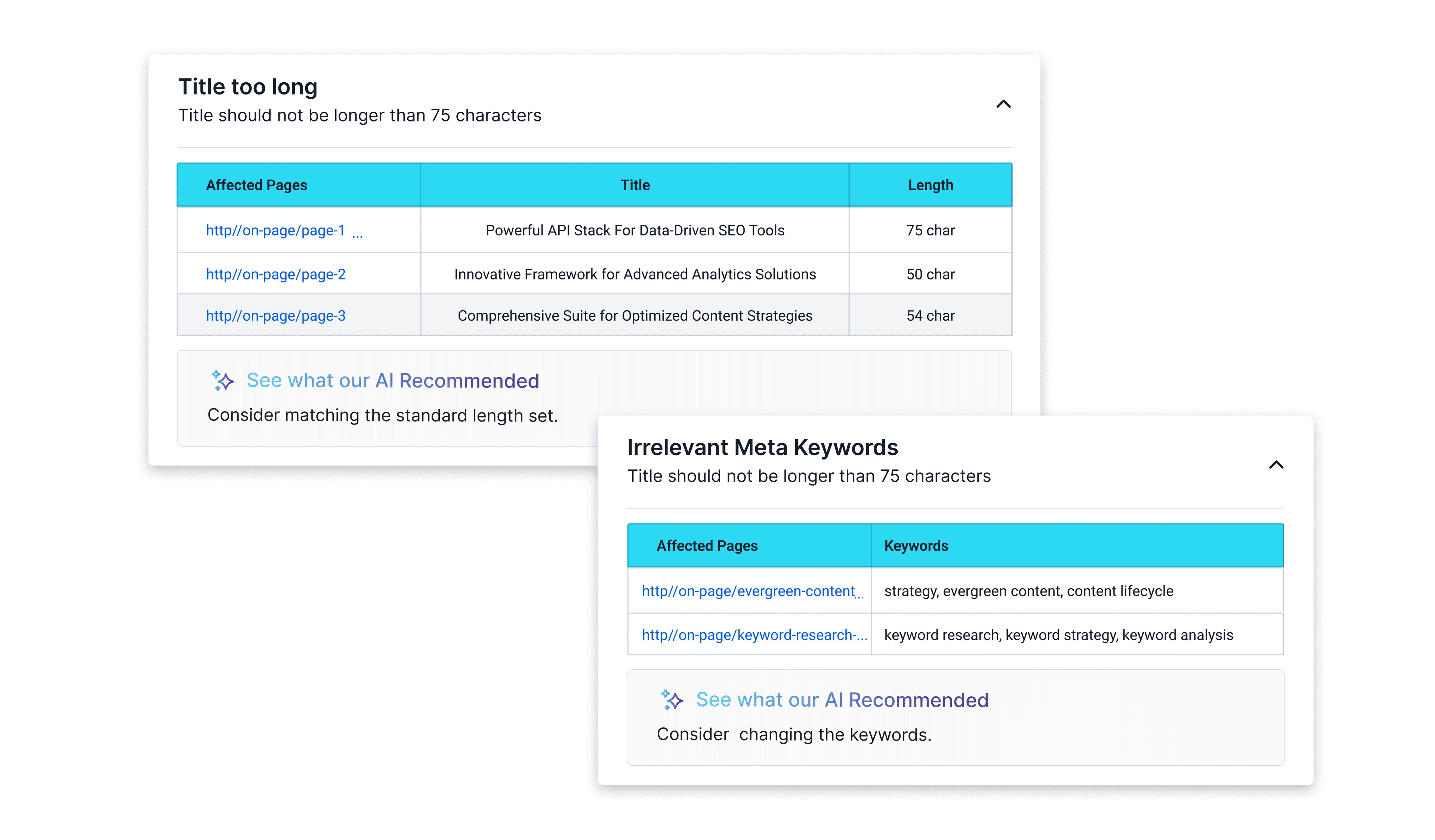
Title Too Long/Short: Titles should ideally be between 50 and 65 characters to ensure they display correctly in search engine results pages (SERPs).
Duplicate Meta Tags: Duplicate tags create confusion for search engines, diluting the SEO value of your pages. Each page should have a unique meta description.
Meta Charset Consistency: Having consistent character encoding across your site ensures proper rendering of content, avoiding any display issues.
HTML Issues
HTML issues involve the structure of your page's code, which can significantly affect how your content is indexed and displayed.
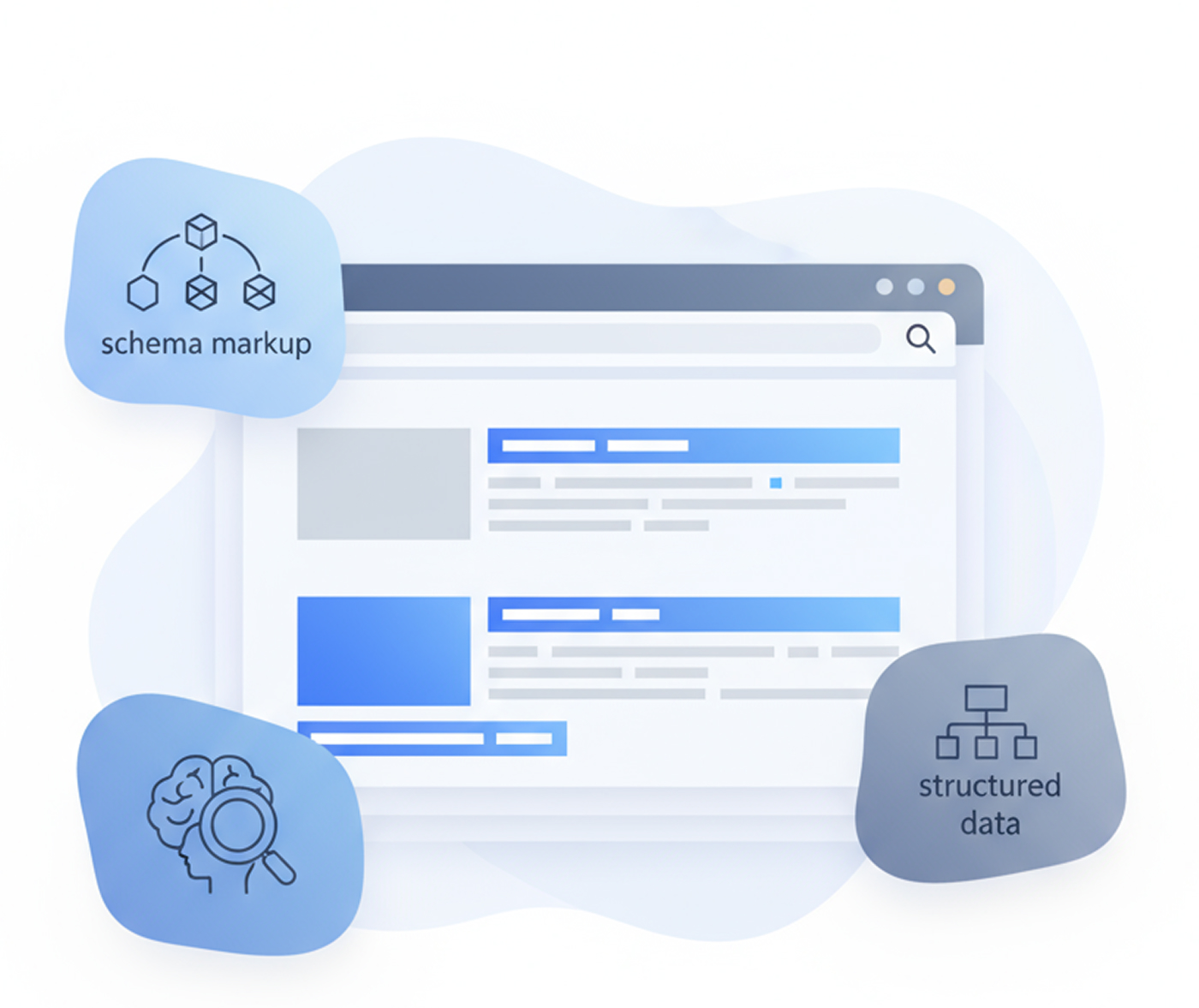
Has Micromarkup: Incorporating structured data (like Schema.org markup) is essential for enhanced SERP visibility. This markup helps search engines understand your content context better.
URL Issues
URL structure plays a significant role in SEO, influencing both user experience and search engine indexing.
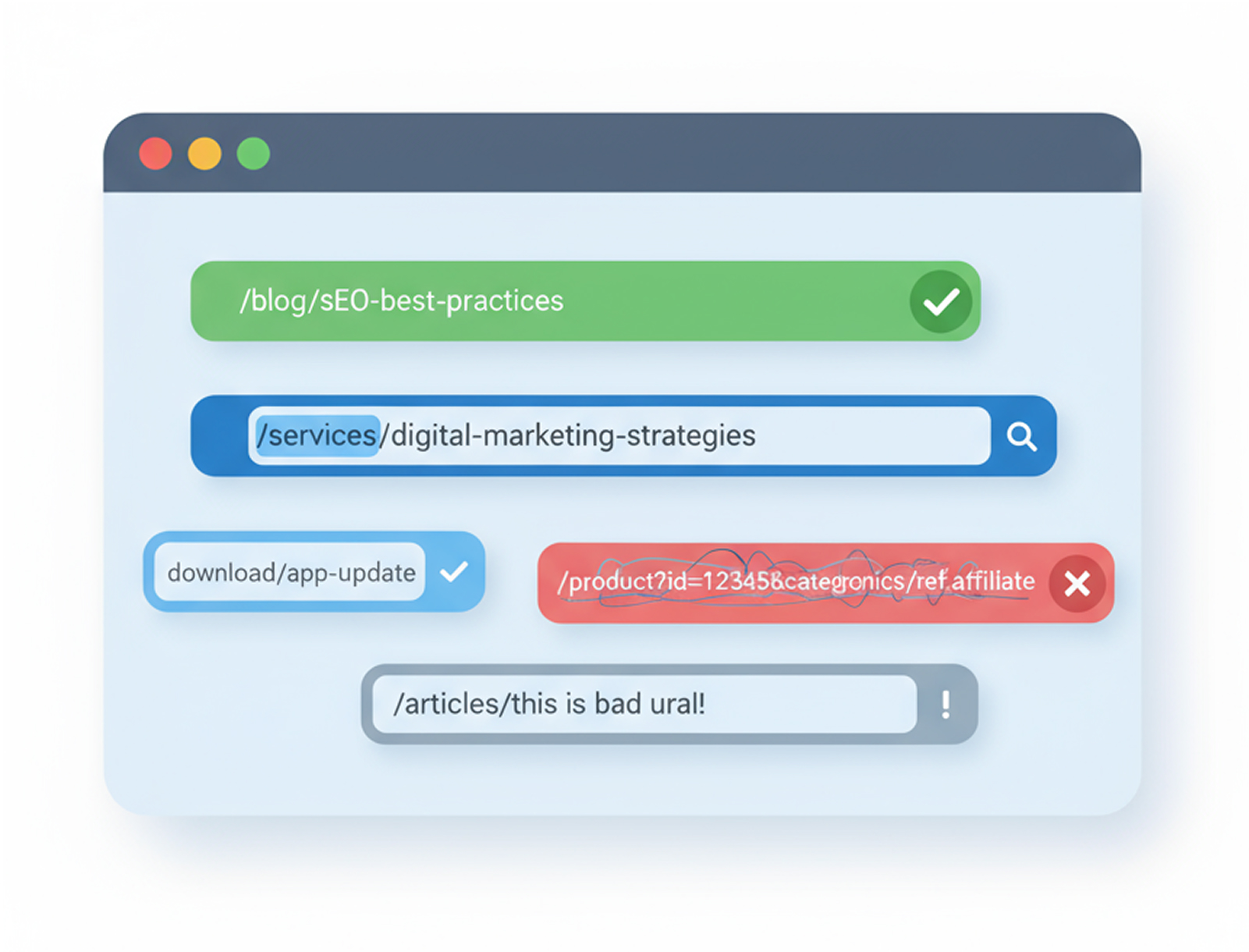
SEO Friendly URL: Clean, readable URLs with relevant keywords improve user experience and search engine crawling.
Character Check: URLs should avoid special symbols and characters that can confuse users and crawlers.
Dynamic URL Check: Overly complex, parameterized URLs can hinder SEO and user understanding.
Keywords Check: Including relevant keywords in URLs helps search engines categorize content effectively.
Relative Length Check: URLs that are excessively long can be off-putting to users. Aim for concise URLs that encapsulate the page's content.
Links Issues
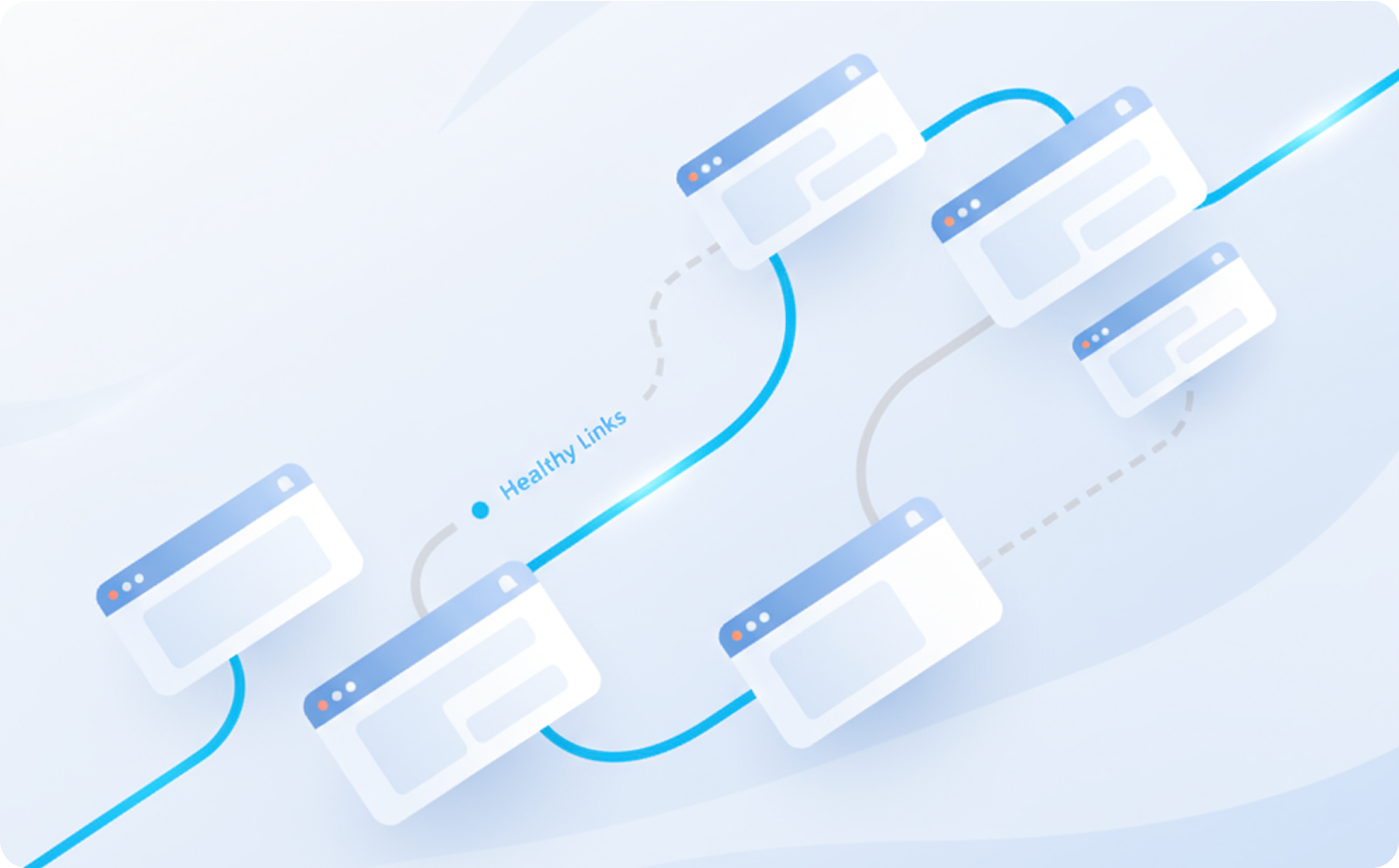
Links are crucial for both user navigation and search engine crawling. Optilinko identifies problems with internal and external linking, ensuring your web of connections remains intact and functional.
Missing Elements
Missing elements can hinder both accessibility and SEO effectiveness.
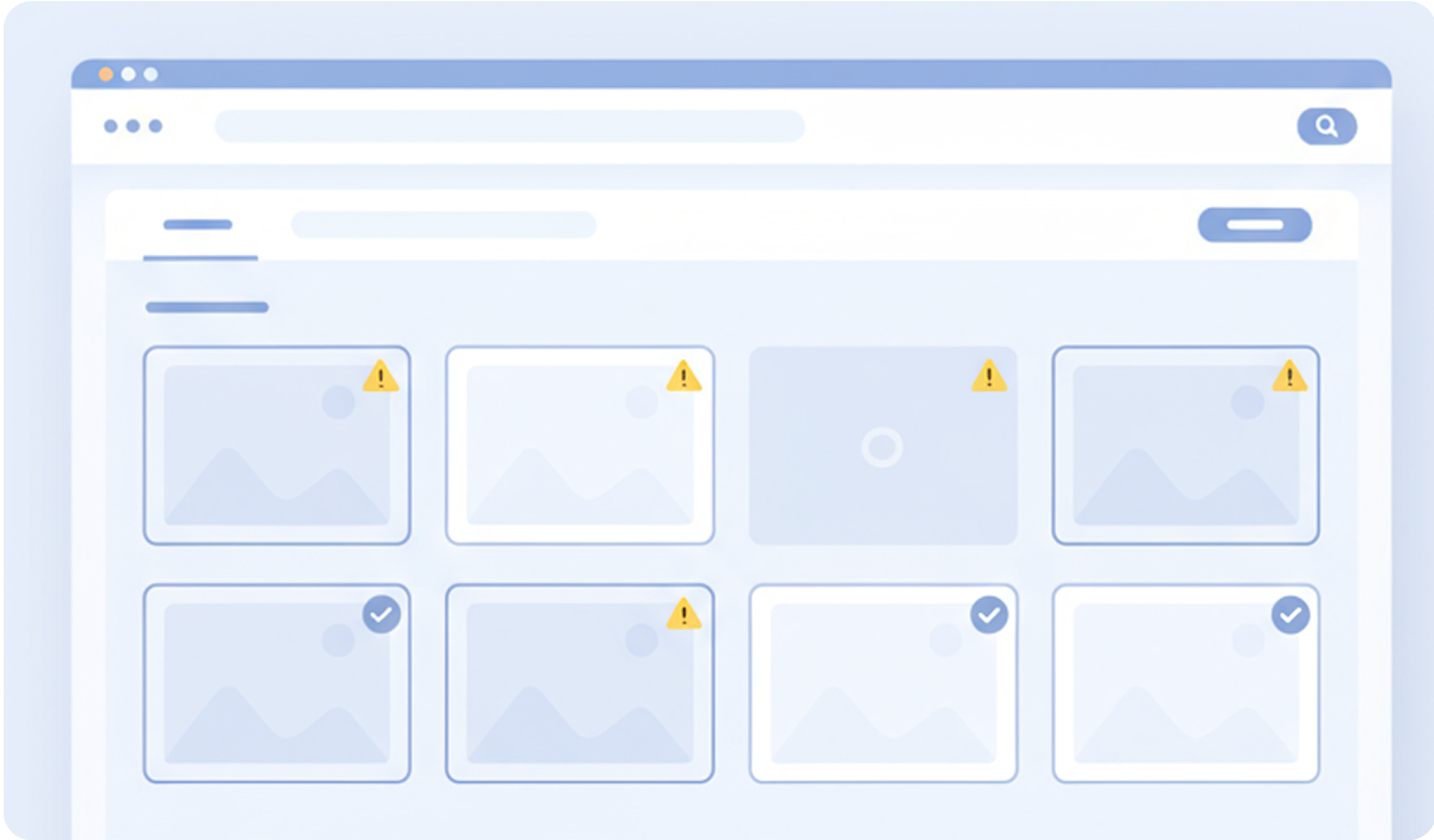
No Image Alt: Images lacking alt attributes not only affect accessibility but also miss opportunities to rank in image searches.
No Image Title: Titles for images provide context, helping both users and crawlers understand the content better.
Duplicated Issues
Duplicate content can confuse search engines and lead to potential penalties. Optilinko helps identify duplicated elements such as:
Duplicated titles
Duplicated meta descriptions
Duplicated H1 tags
Broken Issues
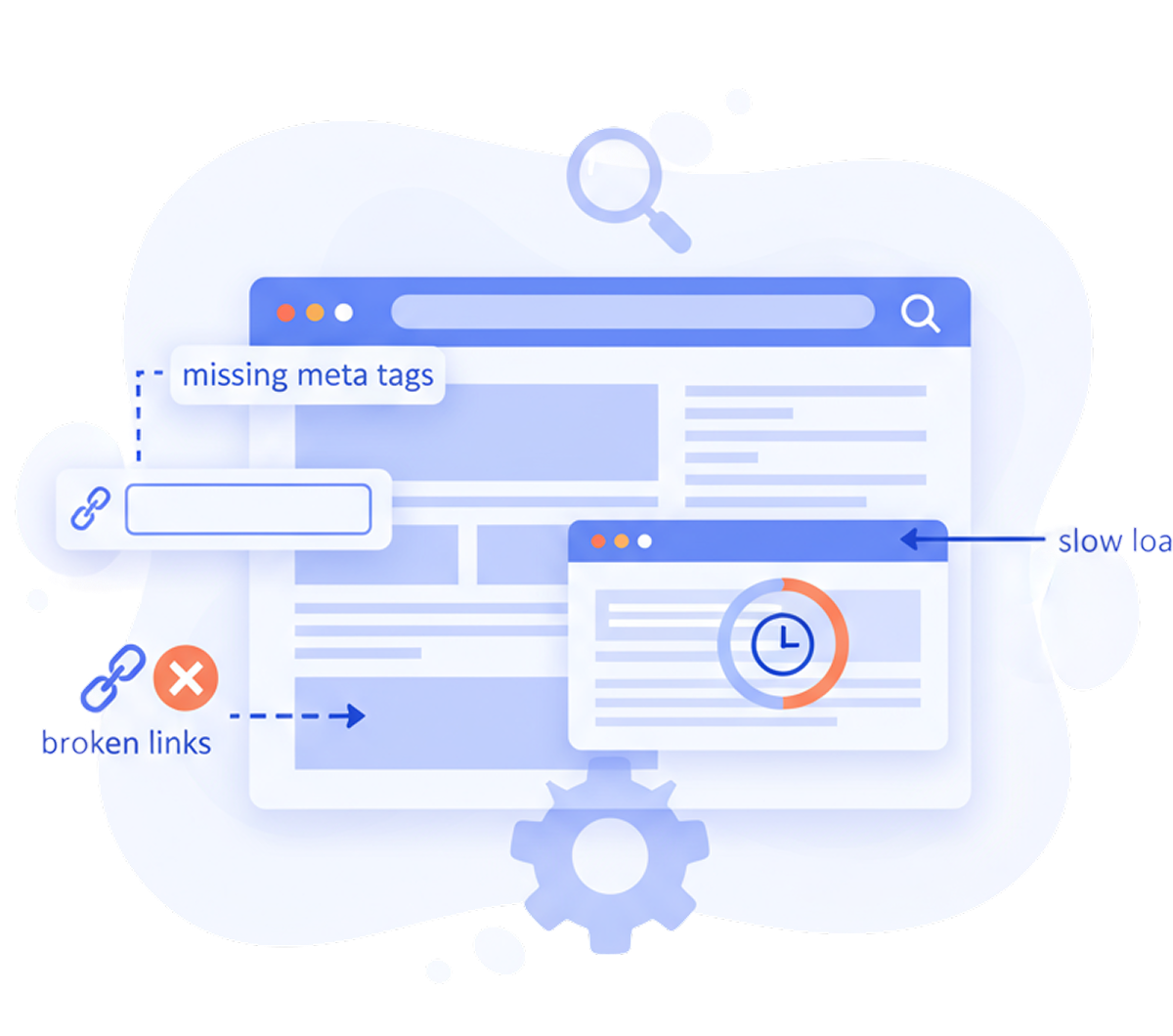
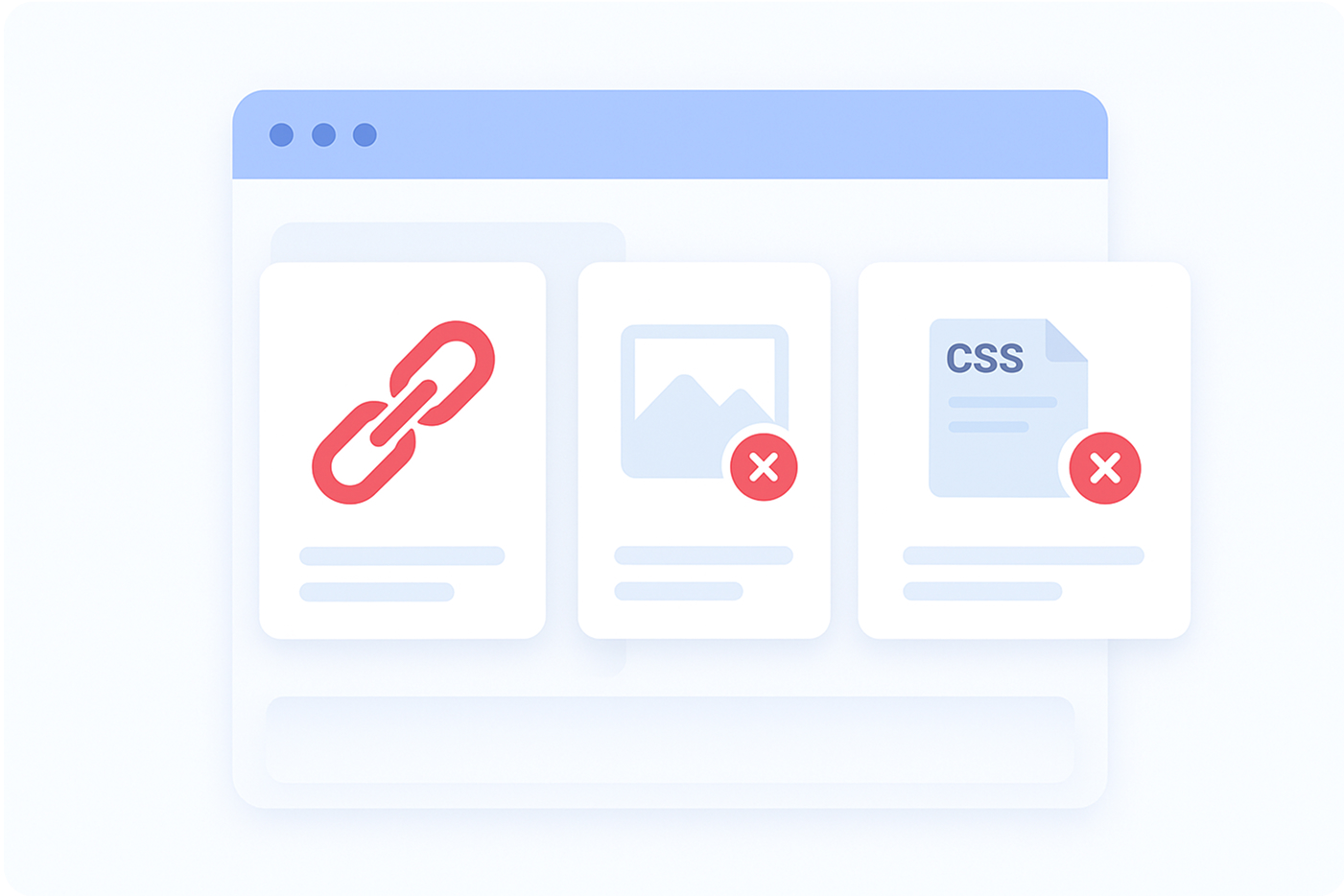
Broken links and missing resources (like CSS, JS, and images) can severely affect user experience and SEO performance.
Highlighting Broken Links: Regular audits ensure that broken links are identified and addressed timely.
Content Issues
Content is king in the digital space, and thin content can drastically affect your site's SEO performance. Optilinko flags low content rate pages, which can dilute your website's overall quality and ranking potential.
Other Issues
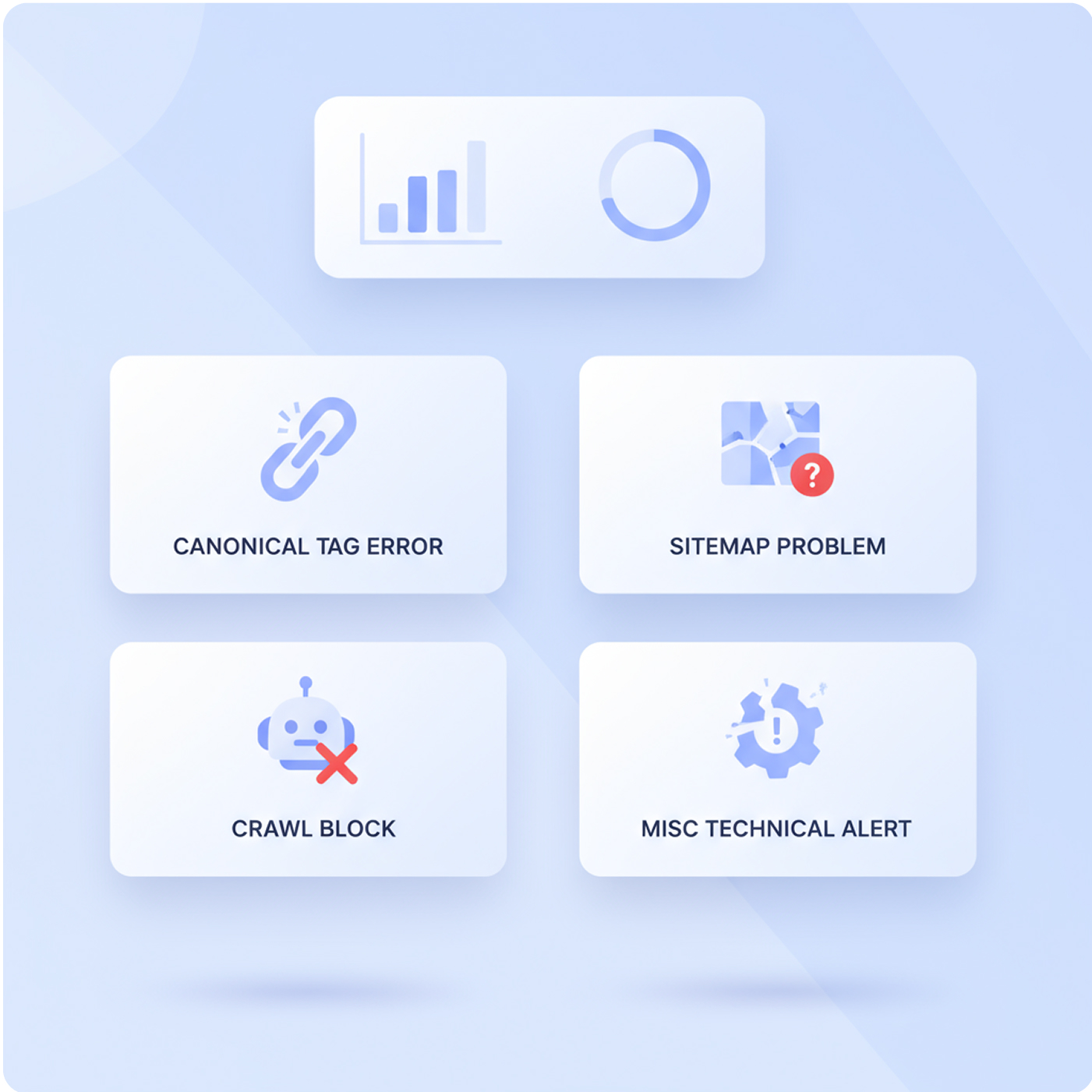
Other Issues This category covers additional technical concerns that may not fit into the other classifications, such as:
Canonical Issues: Incorrect or missing canonical tags can lead to duplicate content problems, confusing search engines about which page to index.
Sitemap Issues: Errors within your sitemap can prevent search engines from properly crawling your site, leading to missed opportunities for indexing.
Why Fixing On-Page Issues Matters
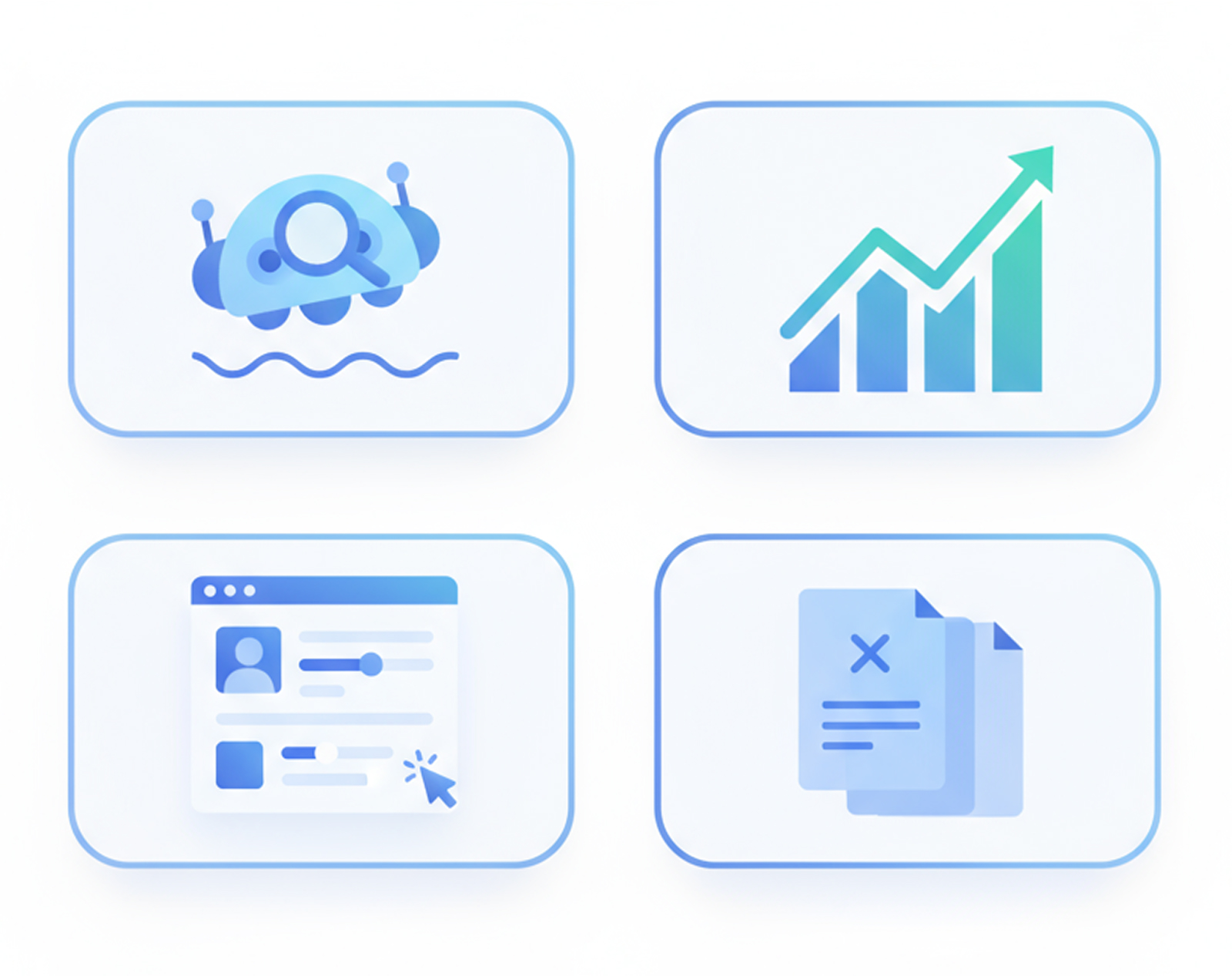
Addressing on-page SEO issues is not just about compliance; it’s about enhancing the overall performance of your website. Here’s why these fixes are imperative:

How Optilinko Helps
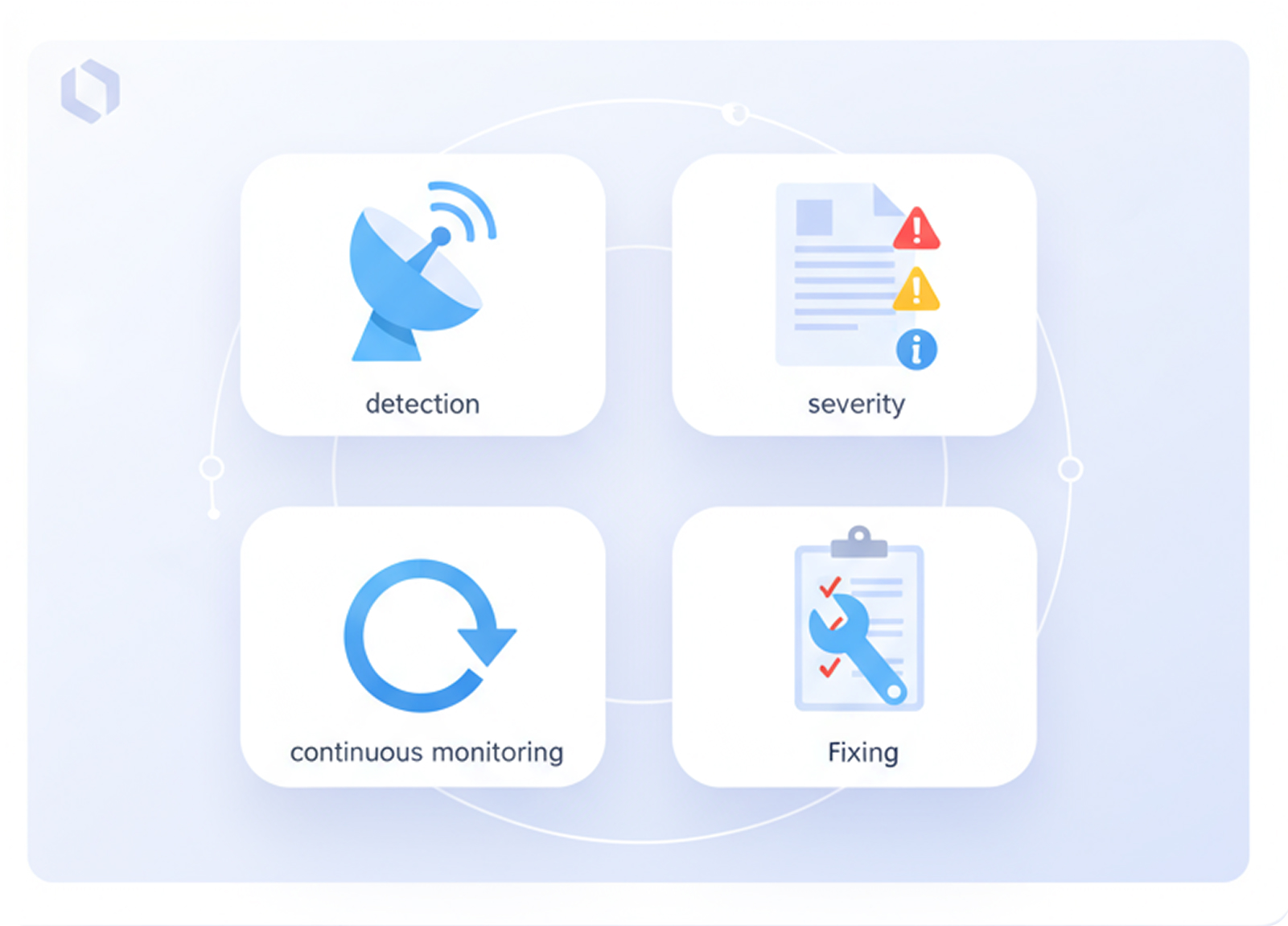
Optilinko is at the forefront of automated SEO auditing. Here’s how the tool assists in addressing on-page SEO issues:
Don’t let on-page SEO issues hold your website back. Run a free audit with Optilinko today and uncover the on-page issues that may be impacting your site’s performance and visibility.
Frequently Asked Questions
Our team is always here to help you with quick, clear, and reliable answers whenever needed.
On-page SEO issues refer to problems within a website's code, content, or structure that can negatively impact its visibility and ranking on search engines. Common issues include missing meta tags, duplicate content, and poor URL structures.
Optilinko scans your website and categorizes detected SEO issues into various groups, providing detailed insights and actionable recommendations for fixing these issues.
Meta tags are important for SEO as they help search engines understand the content of your pages. Fixing meta tag issues can improve your website's visibility and click-through rates on SERPs.
Yes, Optilinko is suitable for SEO professionals and agencies managing multiple client websites. It offers tools for efficient auditing across various sites.
Regular audits are recommended, at least once every few months or whenever you make significant changes to your website. This ensures that you’re addressing any emerging issues promptly.
Ignoring on-page SEO issues can lead to poor search engine rankings, reduced traffic, and a negative user experience. This can ultimately impact your business's visibility and profitability.
No, Optilinko offers clear pricing with no hidden fees. You can run audits and access features based on your selected plan.