.svg)

What is Search Intent and What Are Its Four Types? An Ultimate Guide by Optilinko
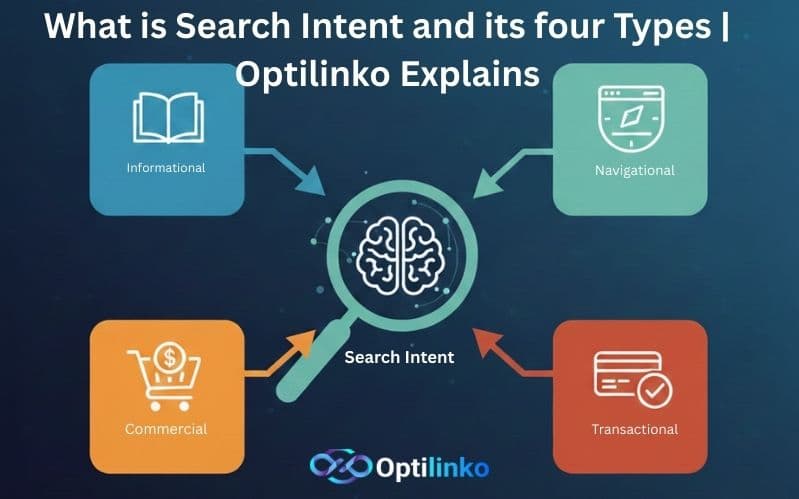
In the world of SEO, there’s a crucial concept that often dictates whether your content will succeed or fail: search intent. Understanding search intent is key to creating content that resonates with your audience and performs well in search engine rankings. But what exactly is search intent, and why does it matter so much in SEO?
Unlock the power of search intent with Optilinko! Learn the 4 types of intent and how understanding them can transform your SEO strategy to boost rankings and drive conversions. In this guide, we’ll explain the importance of search intent and how optimizing your content accordingly can enhance user experience and improve your SEO results.
What is Search Intent?
Search intent, also known as user intent, refers to the primary goal or purpose behind a person’s search query. When someone types something into a search engine like Google, they have a specific reason for doing so. They’re either looking for information, trying to find a product to buy, or seeking a specific website. Search intent helps us understand what the user expects to find and what kind of content will satisfy that need.
In SEO, understanding and optimizing for search intent is important because it helps you create content that directly addresses what users are searching for. By aligning your content with the user’s intent, you’re more likely to rank higher on search engine results pages (SERPs) and provide a better experience for your audience.
Why is Search Intent Important?
Search intent matters for several reasons:
-
Improves Content Relevance: When you understand the intent behind a query, you can tailor your content to meet users' needs more precisely.
-
Enhances User Experience: Delivering exactly what the user is looking for means they spend less time searching and more time engaging with your content.
-
Increases Conversions: By optimizing for transactional intent, for example, you can guide users through the buying process, improving your chances of conversion.
The Four Types of Search Intent
Search intent can be classified into four main types: informational, navigational, commercial, and transactional. Let’s break them down and explore each one.
1. Informational Intent
Informational intent is the most common type of search intent. Users with informational intent are looking for knowledge or answers to specific questions. These searches usually involve words like “how,” “what,” “why,” and “best,” and the user is seeking content that can provide them with useful and relevant information.
For example:
-
“How to improve my SEO strategy?”
-
“What is the best way to bake a cake?”
-
“Why is customer service important in business?”
In this case, the goal of the searcher is not to make a purchase or visit a website. They simply want to learn something. Optimizing content for informational queries means creating blog posts, guides, tutorials, and articles that provide detailed answers to common questions within your industry.
How to optimize for informational intent:
-
Create educational content, including how-to articles, FAQs, and case studies.
-
Provide in-depth answers to commonly searched questions.
-
Use clear and concise headings to break down the information.
2. Navigational Intent
Navigational intent occurs when a user is looking for an exact website or webpage. They already know what they’re looking for and are simply trying to navigate to it. Typically, this intent is shown when users search for brand names, product names, or specific URLs.
Examples of navigational searches include:
-
“Facebook login”
-
“Amazon homepage”
-
“Twitter account settings”
In these cases, the user isn’t interested in browsing general content—they’re trying to find a particular site or page. If your website is a popular brand or service, it’s essential to optimize for navigational queries by making sure your site is easily accessible and easy to find through search engines.
How to optimize for navigational intent:
-
Ensure that your brand and website are easily searchable.
-
Include your brand name and key products in your website’s title tags and metadata.
-
Make your site URL clear and simple to remember.
3. Commercial Intent
Commercial intent signals that the user is in the research phase of a purchase decision. They may not be ready to buy just yet, but they are looking for information to help them make an informed purchase. This type of search is crucial for businesses because it often indicates potential customers who are still in the consideration phase.
Examples of commercial intent searches include:
-
“Best smartphones 2026”
-
“Top-rated DSLR cameras”
-
“Best laptops for gaming”
People searching with commercial intent want to compare options and explore their choices. They may read product reviews, watch comparison videos, or check rankings before making a decision. Your goal as a business is to capture their attention and provide content that helps them in their decision-making process.
How to optimize for commercial intent:
-
Create comparison guides and product roundups.
-
Write detailed reviews and testimonials to build trust.
-
Focus on providing value by showcasing the benefits of your products or services.
4. Transactional Intent
Transactional intent is the most direct type of search intent and often leads to conversions. Users with transactional intent are ready to make a purchase or take another specific action, such as signing up for a service or downloading an app. These searches typically contain words like “buy,” “order,” “purchase,” or “subscribe.”
For example:
-
“Buy iPhone 15 online.”
-
“Order custom t-shirts.”
-
“Sign up for Netflix”
People with transactional intent are ready to take action. They’ve likely already done their research and are looking for a quick and easy way to complete their purchase or transaction. For businesses, this is the most valuable type of search intent because it directly correlates with revenue.
How to optimize for transactional intent:
-
Make your product pages easy to navigate and include a clear call to action (CTA).
-
Offer promotions, discounts, and easy checkout options.
-
Optimize for local SEO if you have a physical store or provide services
How to Identify and Target Search Intent
To successfully optimize for search intent, you need to identify the intent behind the keywords you’re targeting. Here are some strategies to help you do that:
-
Analyze Search Queries: Look at the keywords people are using to find your content. Are they asking questions (informational)? Searching for specific brands (navigational)? Or looking to buy something (commercial or transactional)?
-
Use Tools: Tools like Google Search Console, SEMrush, and Optilinko can provide insights into the search intent behind keywords and help you optimize your content accordingly.
-
Look at SERPs: Review the search engine results pages for your target keywords. What kind of content is ranking? If Google shows a lot of blog posts, the intent is likely informational. If product pages are showing up, the intent may be transactional.
Conclusion
Search intent is at the heart of successful SEO. By understanding the four types of search intent—informational, navigational, commercial, and transactional—you can create content that directly aligns with what your audience is searching for. This approach not only improves your chances of ranking higher on SERPs but also ensures that your content provides real value to your visitors.
To get the most out of your SEO efforts, make sure you're always aligning your content with the user’s intent. By doing so, you'll improve the user experience, drive more qualified traffic, and increase your conversion rates. Start optimizing for search intent today and watch your SEO results soar!
Frequently Asked Questions
Search intent is the goal behind a user's search query, guiding how content should be optimized to meet their needs.
It helps create relevant content that improves rankings, enhances user experience, and boosts conversions.
Informational: Seeking information.
Create detailed content like guides, how-tos, and FAQs to answer user questions.
Provide product comparisons, reviews, and guides to help users make informed decisions.
Searches where users are ready to make a purchase or take action.
Analyze search queries, review SERPs, and use tools to identify intent, then optimize content accordingly.
Yes, aligning content with user intent improves rankings as search engines favor relevant content.
Tailor content to provide exactly what users are looking for, whether information, products, or services.